Economic Survey backs risk-based e-way bill checks for faster goods movement
· Updated · By BizGrowthUp Editorial
The Economic Survey 2025-26 suggests turning the e-way bill system into a facilitator of supply chains, with risk-based checks and fewer roadside inspections for compliant businesses.
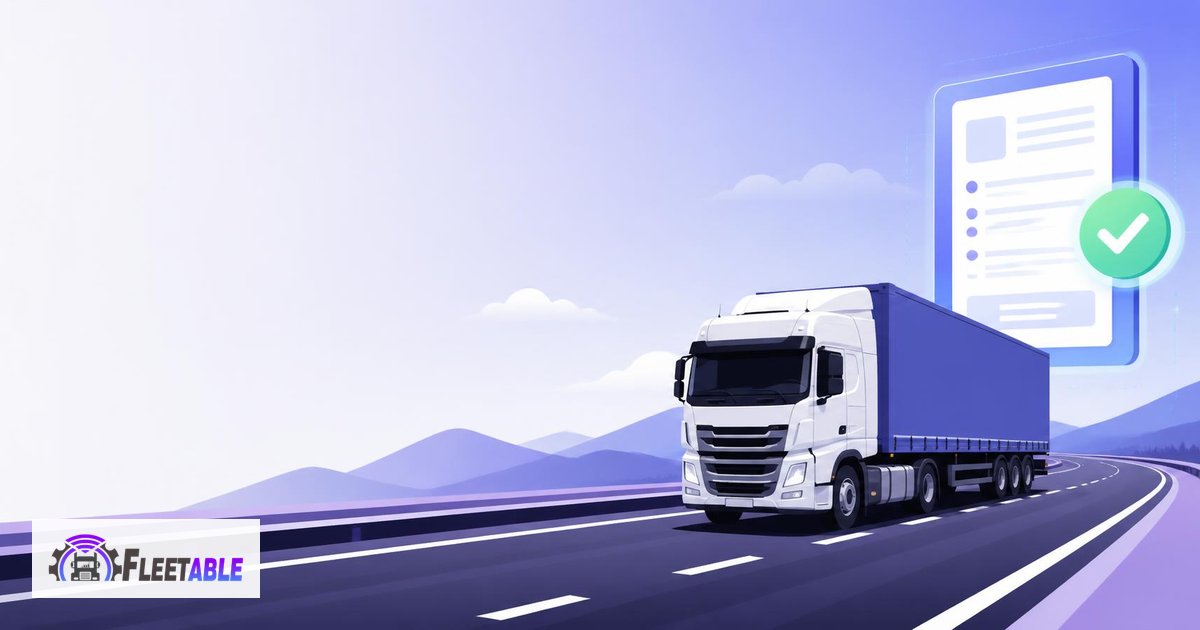
The Economic Survey 2025-26 has recommended that India's GST e-way bill system move away from being mainly an enforcement tool and become a facilitator of smoother goods movement, according to a report published by India Seatrade News on 25 March 2026, which cites Business Standard.
What the Survey suggests
- Use risk-based, system-generated checks instead of relying on discretionary physical inspections.
- Reduce roadside inspections that take place away from border points.
- Give businesses with a strong compliance record fewer checks, a trusted-dealer style approach.
Why it matters for transporters
Roadside checks and detention of vehicles are a common source of delay and cost for trucking operators. If checks become more data-driven, compliant transporters could spend less time stopped on the road. The e-way bill system was introduced in 2018 to digitise the tracking of goods movement, and monthly e-way bill generation has recently been reported at record levels.
What to keep in mind
These are recommendations from the Survey. The report does not mention a notification, a circular or an effective date, so current e-way bill rules continue to apply until the government announces any change. Transporters should keep e-way bills, invoices and vehicle details in order and check official GST notifications for updates.
Source: India Seatrade News